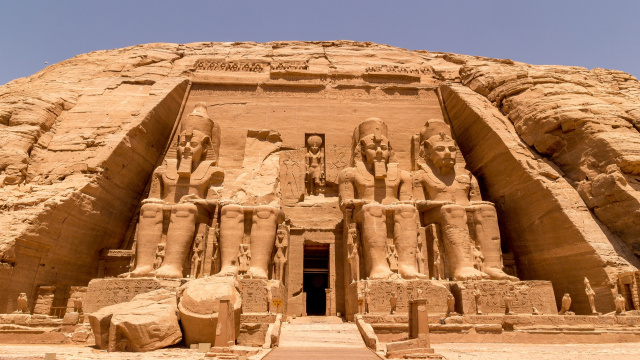
Great Temple of Abu Simbel, Statues of Ramesses II, Figures of Nefertari
Colossal rock-carved statues and intricate reliefs attract tourists, showcasing ancient achievements and a remarkable relocation effort.
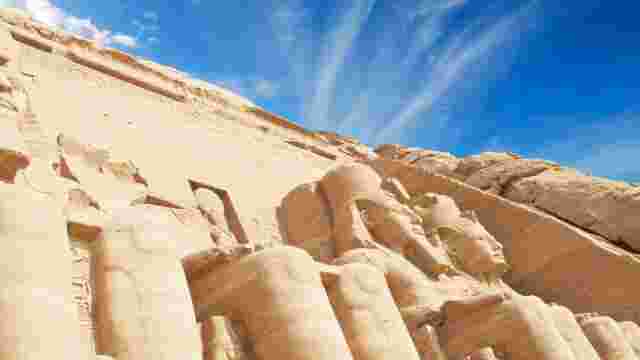
The Great Temple of Abu Simbel, carved into the rock in southern Egypt, is closely associated with Ramesses II, whose colossal seated figures guard the entrance. Inside, reliefs celebrate the pharaoh’s military and ceremonial achievements. Nearby, a smaller temple honours Queen Nefertari and the goddess Hathor. The relocation of both temples in the 1960s, to save them from the waters of Lake Nasser, remains one of the most notable conservation projects of the modern era.
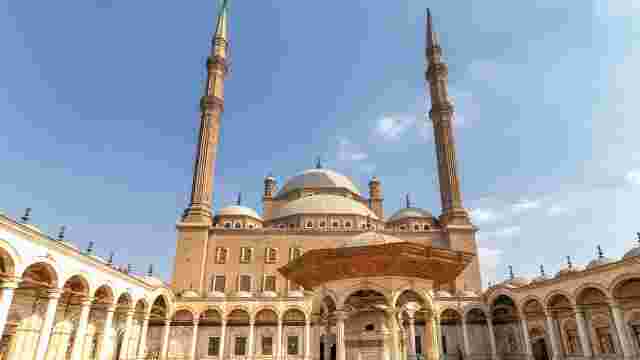
Cairo
A city of contrasts with ancient treasures, bustling bazaars, a medieval citadel, and diverse dining, offering rich experiences beyond first impressions.
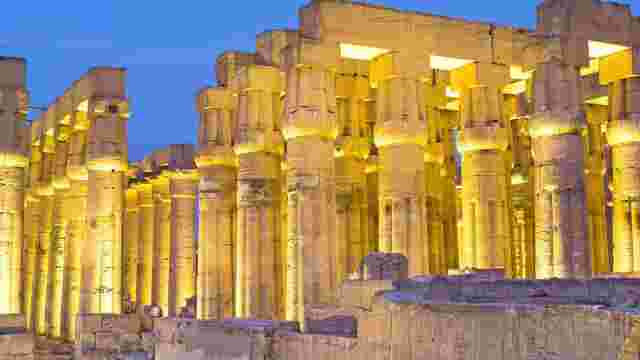
Luxor
A treasure trove of ancient civilization, featuring grand temples and tombs, ideal for leisurely exploration with a guide to uncover its historical layers.
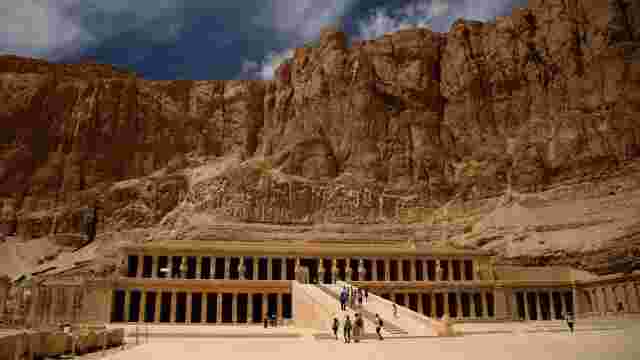
Esna
Explore ancient wonders: Valley of the Kings' tombs, Temple of Hatshepsut, and the Temple of Khnum with its vibrant hieroglyphs and majestic columns.
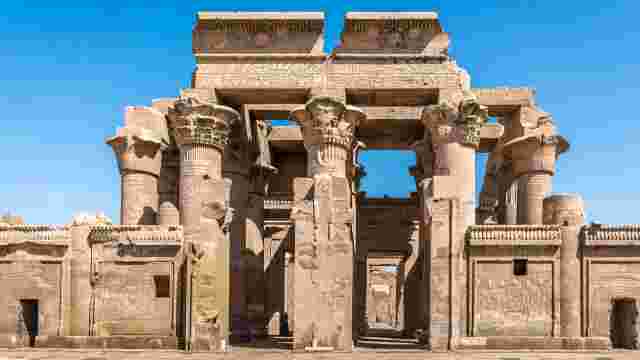
Temple of Kom Ombo
A unique riverside temple with dual dedication features balanced architecture, mythological reliefs, medical depictions, and an adjoining crocodile museum.
Aswan
This southern town offers a unique vibe, with feluccas sailing the Nile, a rich trade history, and a blend of atmosphere and historic monuments.
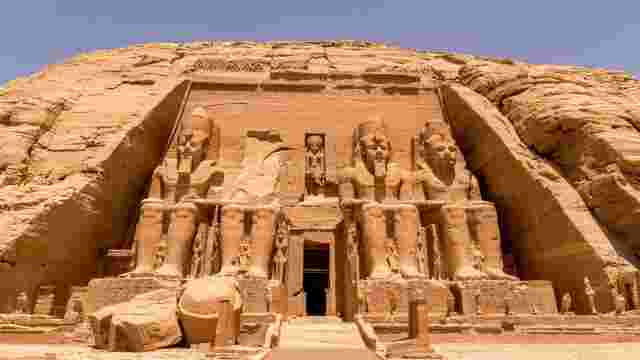
Great Temple of Abu Simbel, Statues of Ramesses II, Figures of Nefertari
Colossal rock-carved statues and intricate reliefs attract tourists, showcasing ancient achievements and a remarkable relocation effort.