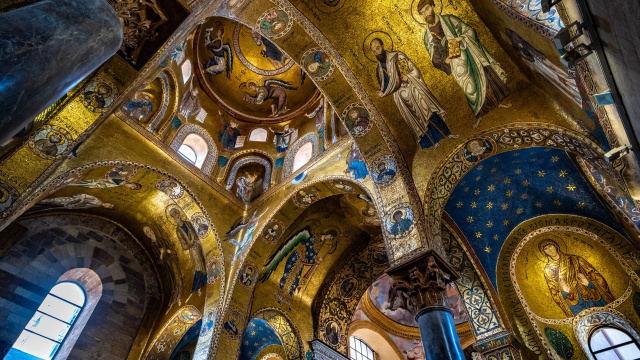
La Martorana, Palermo
Founded in 1143, this church boasts exquisite mosaics blending Byzantine, Norman, and Arab styles, showcasing Sicily's rich artistic heritage.
La Martorana, or Santa Maria dell’Ammiraglio, was founded in 1143 and remains one of Palermo’s most rewarding churches. Its mosaics, among the oldest and finest in Italy, draw together Byzantine, Norman and Arab influences with remarkable assurance. Later Baroque additions altered parts of the building, yet the medieval fabric still defines the experience. The church offers a particularly clear impression of Sicily’s layered artistic culture.
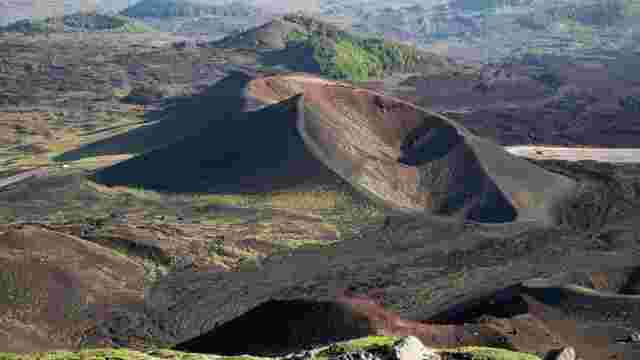
Mount Etna
This Sicilian site features active volcanic landscapes, wooded slopes, and fertile soils for vineyards, offering dramatic views and rich cultural significance.
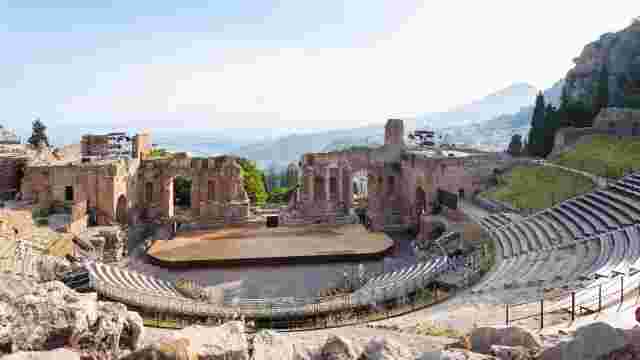
Greek Theatre, Syracuse
An ancient theatre carved into a hill, offering vast seating and stunning views, still hosts performances, blending historical and modern cultural experiences.
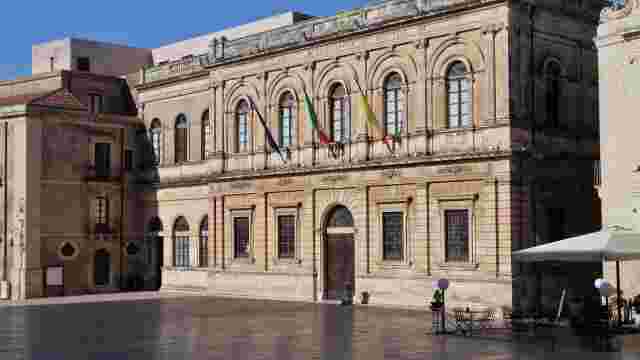
Archaeological Museum, Syracuse
Explore Sicily's history through sculptures, pottery, and artifacts in a modernist setting, offering a clear introduction to the island's historical layers.
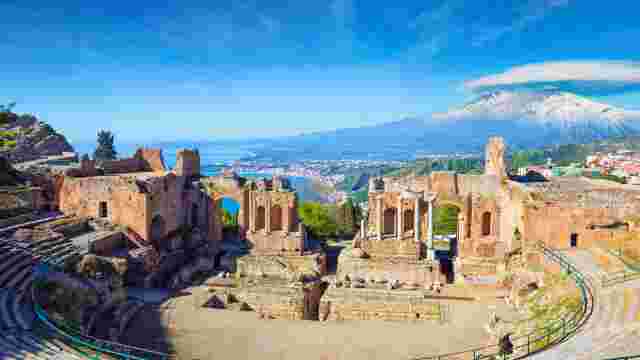
Graeco‑Roman Theatre, Taormina
This ancient theater offers stunning views of the Ionian Sea and Mount Etna, blending Greek and Roman architecture, and still hosts performances today.
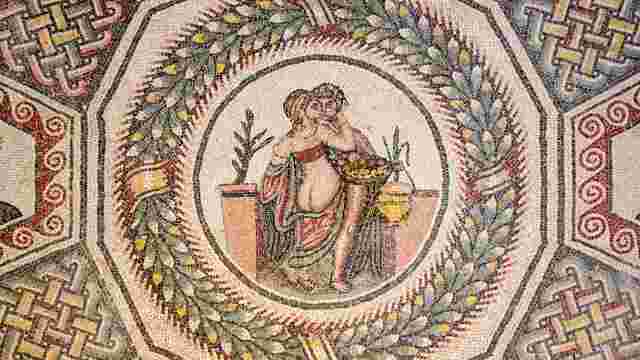
Roman Villa at Piazza Armerina
Renowned for its exquisite 4th-century mosaics depicting mythology, hunting, and daily life, this site offers insights into elite Roman culture.
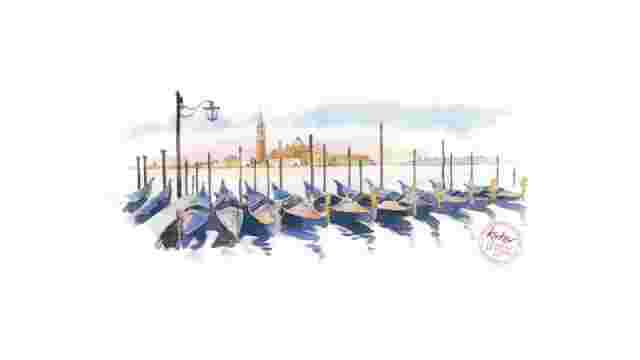
Archaeological Museum, Agrigento
Discover ancient artifacts, Telamon figures, and painted vases, offering rich insights into Akragas' history, enhancing your Valley of the Temples visit.
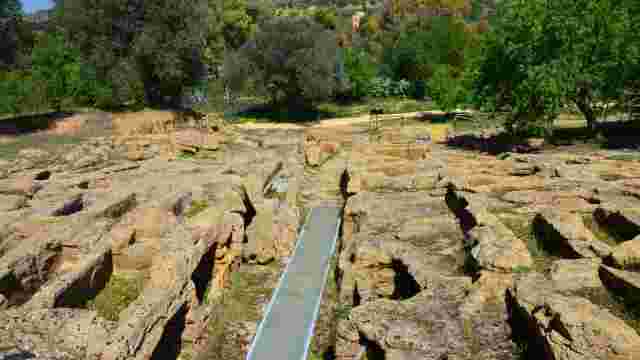
Sacred Way, Agrigento
Explore ancient temple ruins and enjoy breathtaking countryside views on this historic route, offering a unique blend of archaeology and scenic beauty.
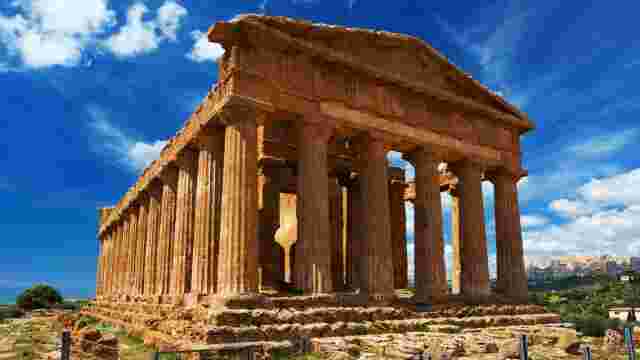
Temples of Zeus and Concord, Agrigento
Explore ancient Greek architecture in Sicily, featuring a well-preserved temple and vast ruins showcasing historical ambition and accomplishment.
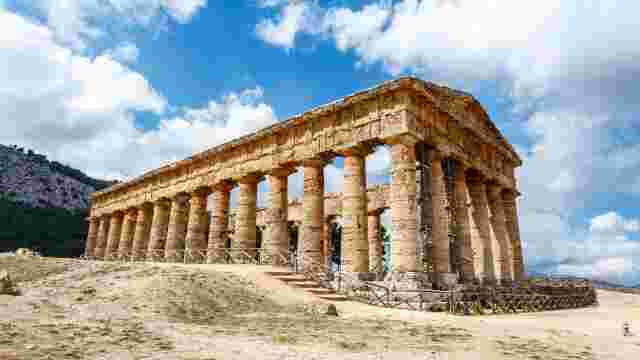
Doric Temples of Segesta
An unfinished ancient temple and a hillside theater with sea views offer a blend of history and scenic beauty in northwestern Sicily.
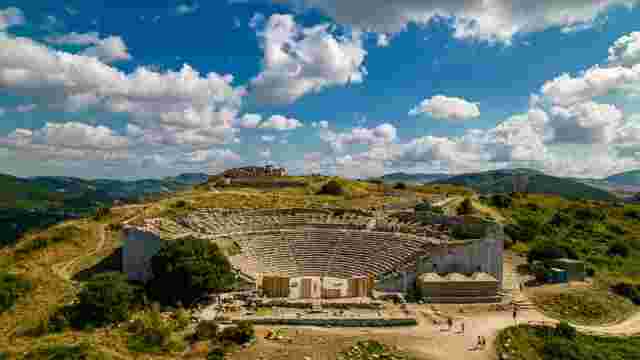
Theatre of Segesta
Carved into Mount Barbaro, this ancient site offers stunning views of the countryside and Gulf of Castellammare, creating a monumental and remote atmosphere.
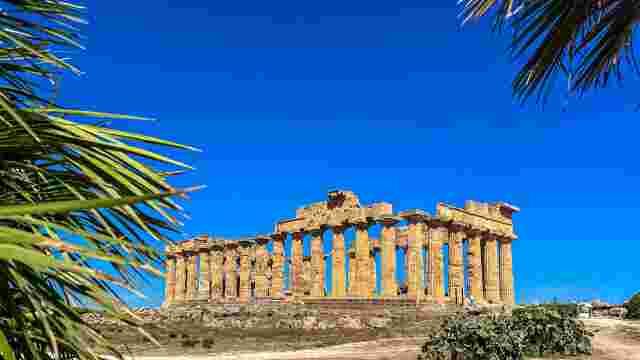
Archaeological Site of Selinunte
Explore ancient Greek ruins with Doric temples, an acropolis, and the iconic Temple of Hera, all set near the scenic southwestern coast of Sicily.
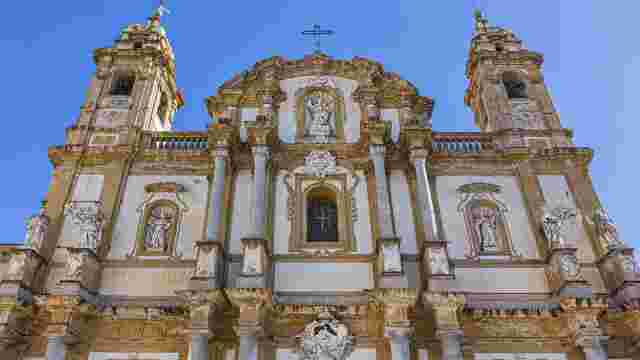
Oratorio di San Domenico, Palermo
Famous for Giacomo Serpotta's stunning stucco work, this site features intricate Baroque decor and intimate spaces showcasing detailed craftsmanship.
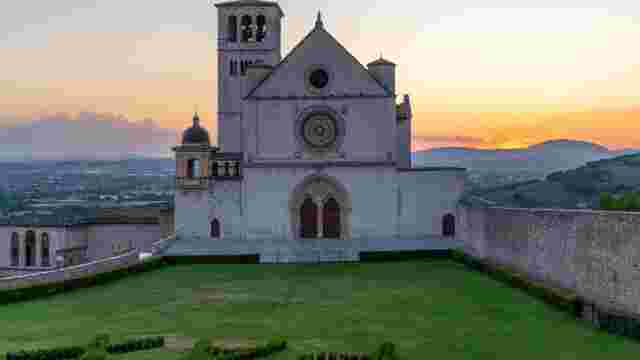
Church of St. Francis of Assisi, Palermo
This site showcases Gothic and Baroque styles, featuring frescoes, sculptures, a wooden ceiling, and an ornate chapel, reflecting Palermo's rich history.
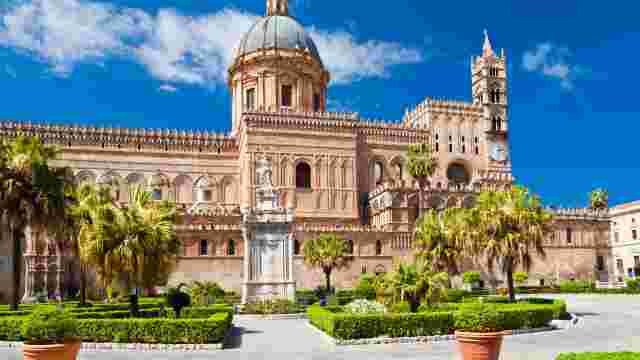
Palermo Cathedral
This site showcases a blend of Norman, Moorish, Gothic, Baroque, and Neoclassical styles, featuring striking portico, towers, and royal tombs inside.
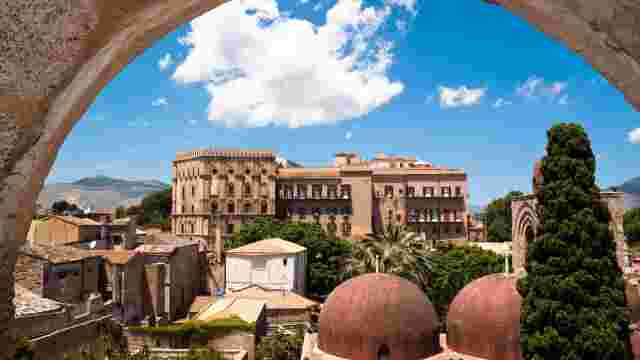
Norman Royal Palace, Palermo
A historic site showcasing Sicily's cultural fusion, featuring the exquisite Palatine Chapel with mosaics and a carved wooden ceiling.
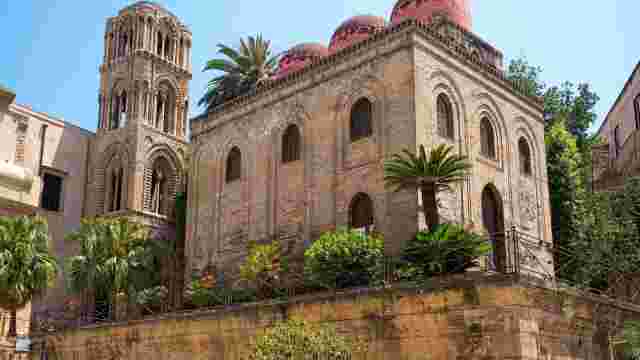
San Cataldo, Palermo
A 12th-century church with red domes and a cubic form, showcasing a blend of Norman, Byzantine, and Islamic influences, offering a unique, simple charm.
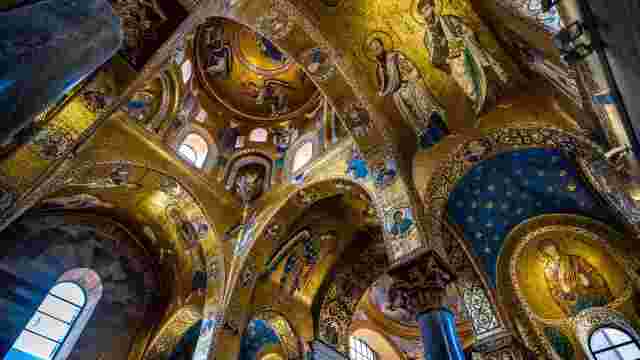
La Martorana, Palermo
Founded in 1143, this church boasts exquisite mosaics blending Byzantine, Norman, and Arab styles, showcasing Sicily's rich artistic heritage.
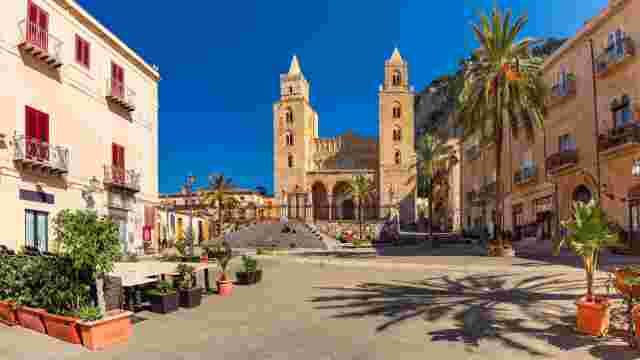
Cefalù Cathedral
This site boasts a stunning setting by the sea and La Rocca, featuring Norman architecture, Romanesque and Arab-Norman elements, and a striking apse mosaic.
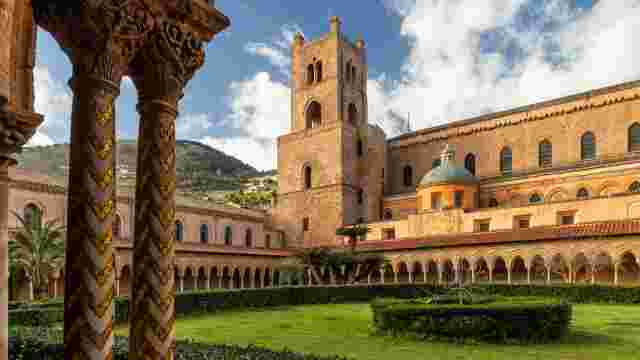
Monreale Cathedral
A 12th-century marvel blending Norman, Byzantine, Arab, and Romanesque styles, featuring vast mosaics and a cloister with 228 intricately carved columns.
Palazzo Conte Federico, Palermo
A historic palace blending Arab, Norman, and Baroque styles offers guided tours of frescoed rooms, antique furnishings, and family artifacts in Palermo's core.